Teach Central Message & Theme with Dr. Seuss

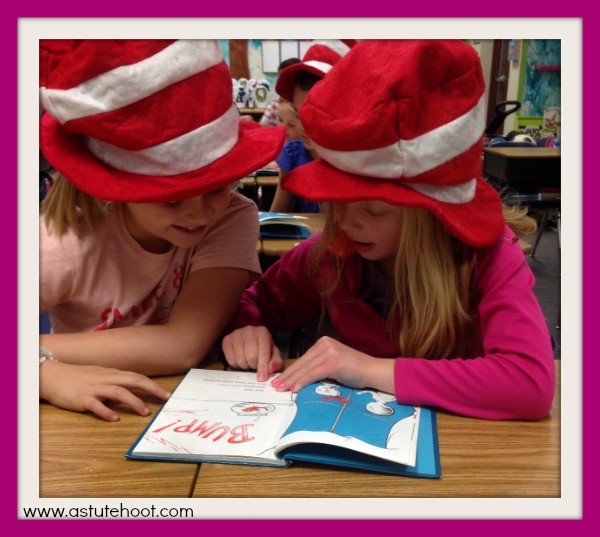
Students love Dr. Seuss books because of their engaging, rhymed text, memorable characters, and whimsical illustrations. But, Dr. Seuss books are so much more. They are the ideal tool for teaching central message because each one focuses on a specific theme or life lesson. Plus, the majority of students have had multiple exposures with these books; they are familiar with characters and sequence of events. This background knowledge and literal level of understanding makes it easier to determine the central message, a higher-level comprehension skill.

During our Dr. Seuss study, I preselected books which have the strongest themes and central messages. Students had the opportunity to read many books during guided reading group and independent reading time. I used Sharon the Summarizing Squirrel to teach central message and theme (read more about Sharon’s strategy here). We discussed these messages and themes during reading group time and students cited textual evidence that supported these themes. Students used Sharon’s Central Message Anchor Chart to help them summarize each message or theme.
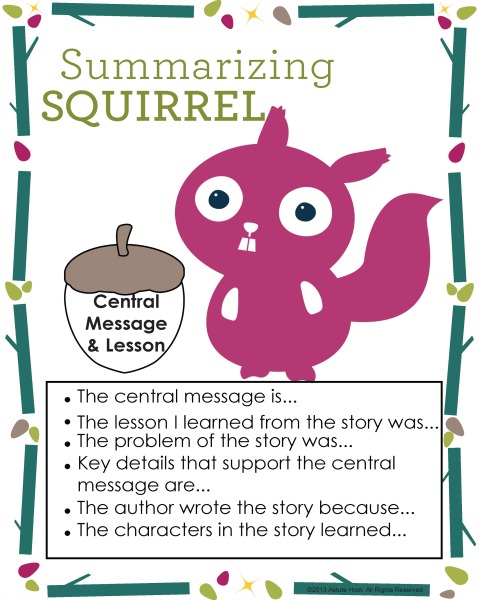
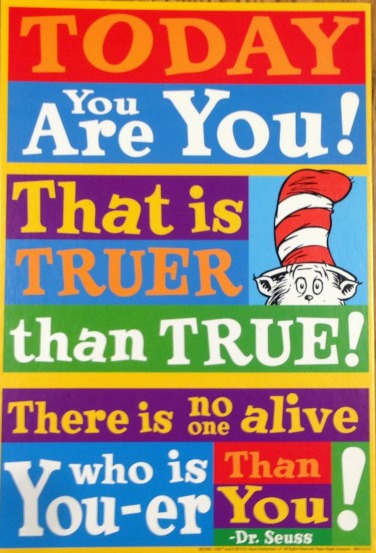
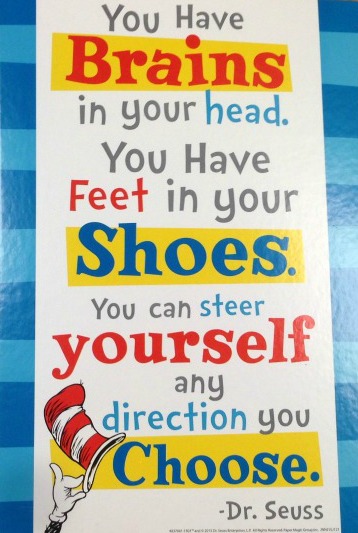
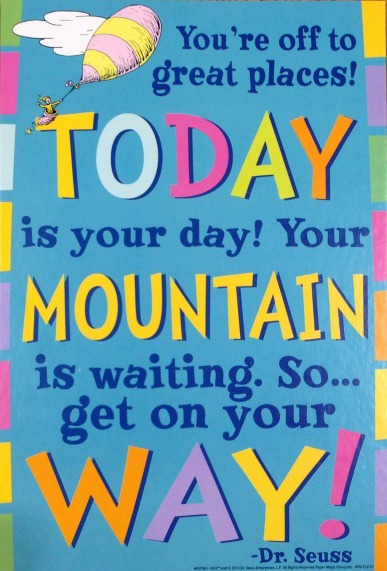
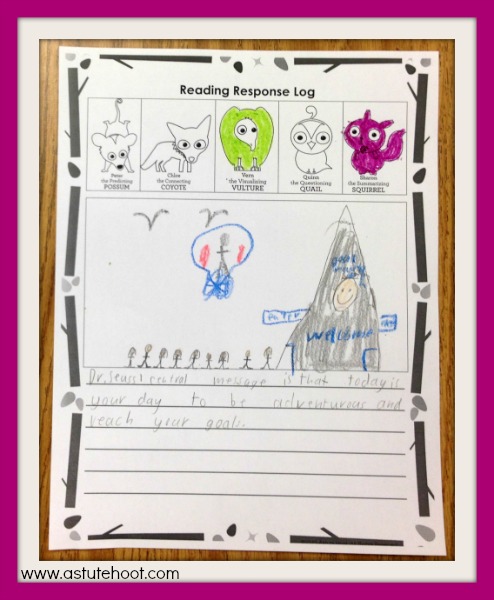
Central message anchor chartI found Dr. Seuss quote posters in Target’s Dollar Section and purchased 4 as a central message culmination activity. I posted the posters around the room and students took a Quote Walk, silently reading each quote to determine Dr. Seuss’ message. They recorded their central messages and themes in their Reading Response Journals. They colored in the strategy animals used during each reading response entry. Sharon the Summarizing Squirrel helped students summarize each central message and theme while Vern the Visualizing Vulture helped them visualize each quote. Check out the quote posters and students’ central message jourmal responses:
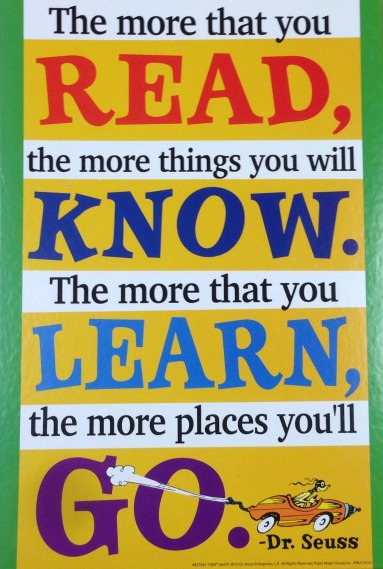
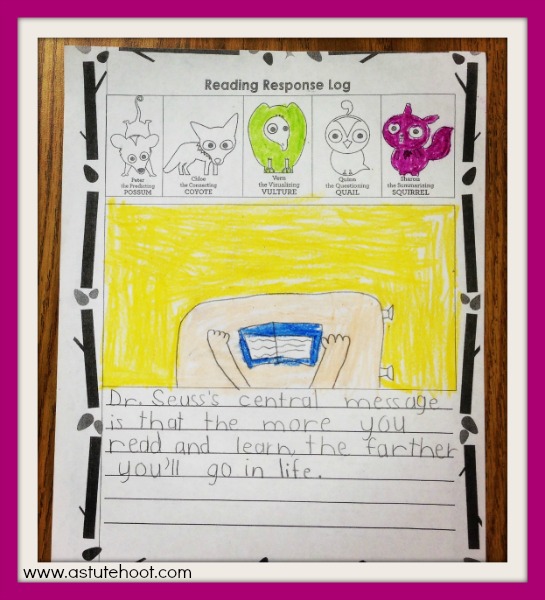
Dr. seuss sign 5.5central message 4.5Dr. Seuss sign 3.5central message 1.5Dr. seuss sign 4.5central message 2.5Dr. Seuss sign 2.5central message 3.5Looking for additional Dr. Seuss activities? Download our FREE Cat in the Hat Snack recipe and read our latest blog, Celebrate Dr. Seuss In Style.  Happy Read Across America week!

Jessica_blog_signature-SMALL

Create President Reports in 3 Easy Steps

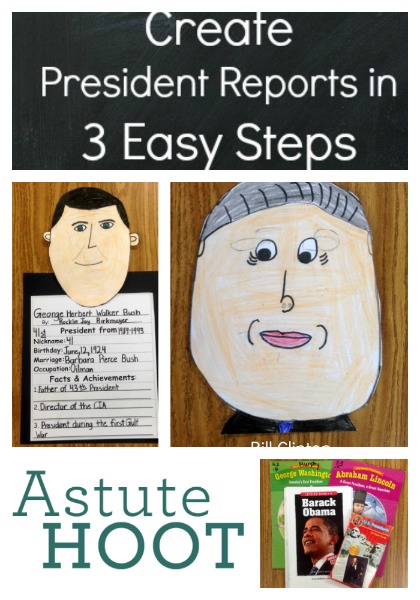
Since it was President’s Day on Monday and we are reading and writing biographies, my class studied the life of Barack Obama this week. They loved learning about his childhood, interests, schooling and more. This study prompted them to ask questions about other presidents, so we completed these cute, easy presidential reports. Download this FREE project here.

PicMonkey Collage

Follow these 3 easy steps to create the presidential reports:

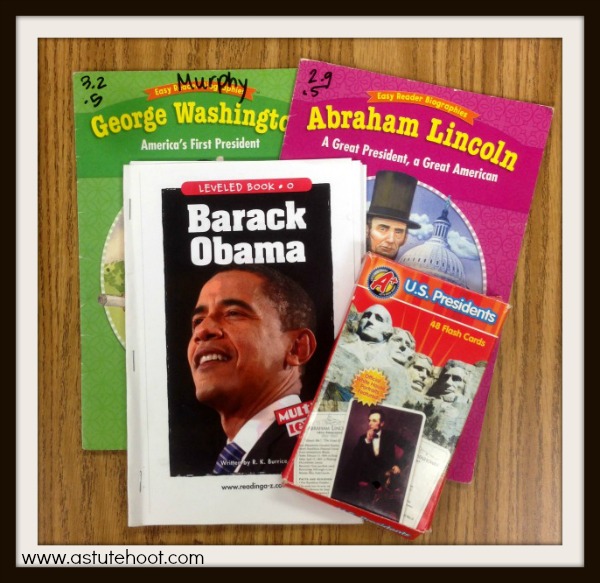
  1. Select appropriate presidential research. I found the presidential fact card deck in the Target dollar section, but also used a variety of leveled text as sources for research to differentiate for all learners. Pre-select the cards, picking presidents that students would find most interesting (cool nicknames, facts, etc.). Remove cards that would be difficult to read and understand. (Remove Nixon as his nickname is “Tricky Dick”.)
    President research
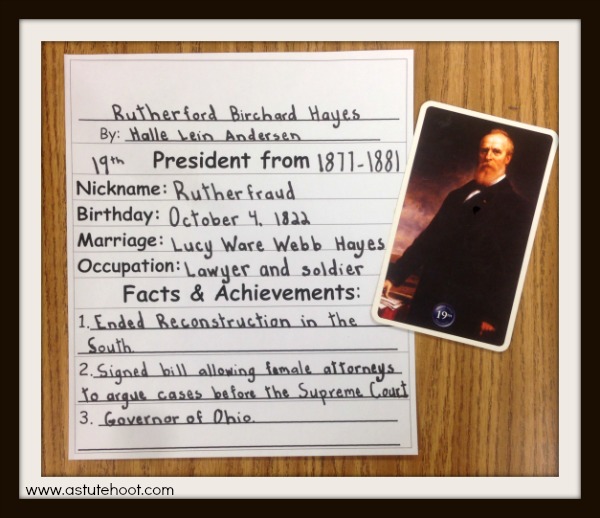
  2. Complete president report. Model how to use information from the fact card or leveled text and think aloud as you go. Then have students complete the research; this is a perfect activity to complete in small groups. Differentiate the report according to students’ needs. Partner students or have students work individually to complete the report.
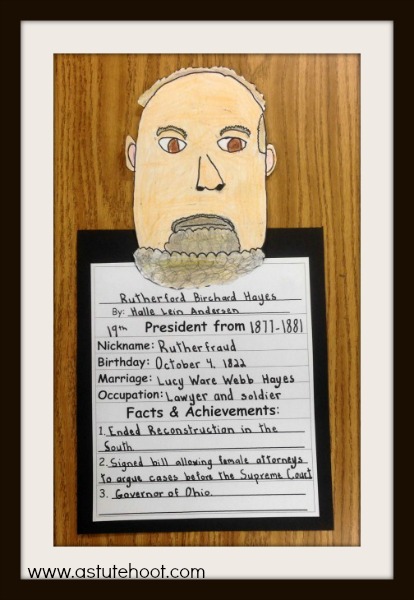
    Rutherford Hayes
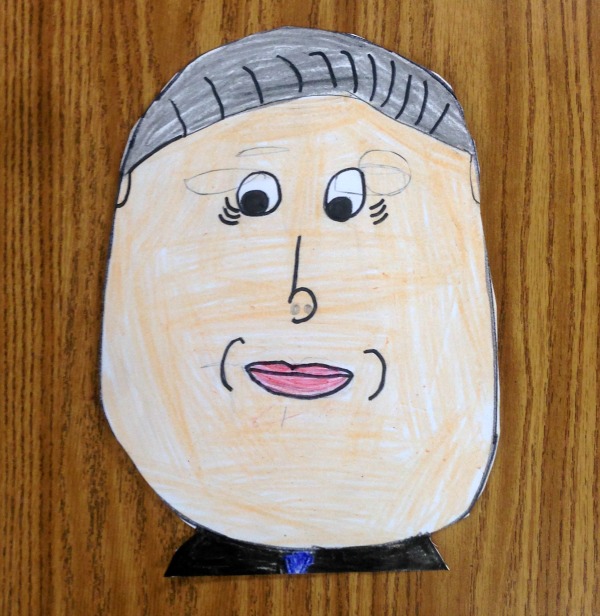
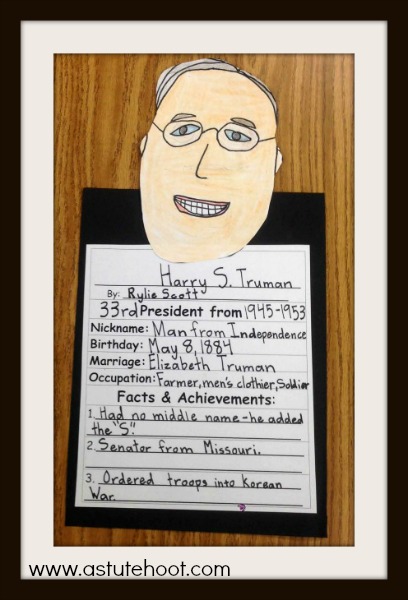
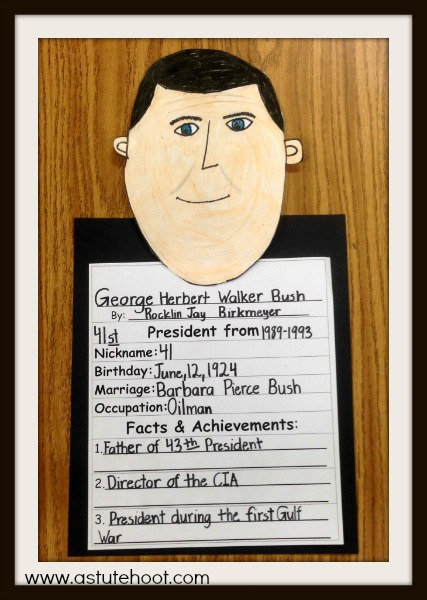
  3. Draw presidential portrait. Give students white paper and have them draw a pencil sketch of selected president. Trace with Sharpie and then color with crayon. Cut out and glue on top of report. You can glue on black construction paper (to look like a suit) and add arms and legs if you desire.
    Harry Truman reportHayes completed reportGeorge Bush completed reportBe sure to share reports with class. Possible discussions include similarities (most were lawyers), differences, occupations, facts and achievements. Your students will love learning more about the presidents!
    Jessica_blog_signature-SMALL

Strengthen Mathematical Understanding in 4 Easy Steps

Mathematical understanding means that students understand the story problem and follow the problem-solving steps. Understanding story problems can be very challenging because it requires multi-step, higher-level thinking processes. Students are required to process several pieces of information before starting any mathematical operations. If students do not understand the problem, they will solve it incorrectly, even if they have a strong repertoire of strategies.  Strengthen your students’ mathematical understanding with these 4 easy steps:

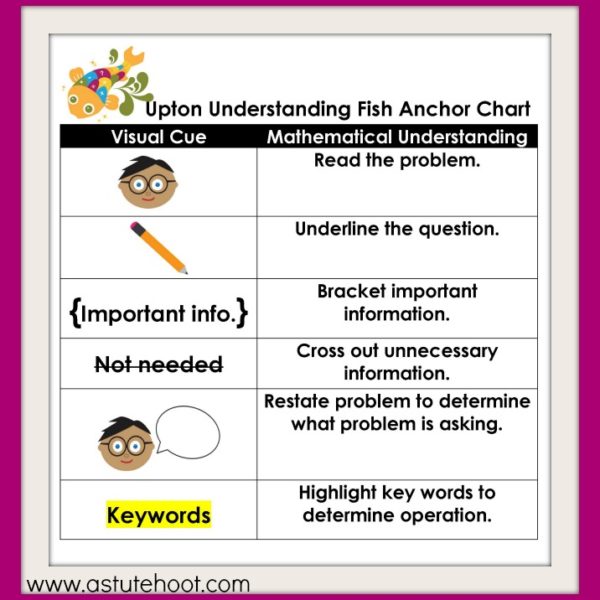
1. Scaffold instruction: Mathematical understanding includes many steps: identify question; identify key information; get rid of erroneous information; determine the operation; solve using an appropriate, efficient strategy. Since mathematical understanding involves so many steps, teachers should teach each step explicitly and introduce the next step after proficiency is demonstrated. This allows the teacher to isolate individual steps first and then gradually integrate the steps together.

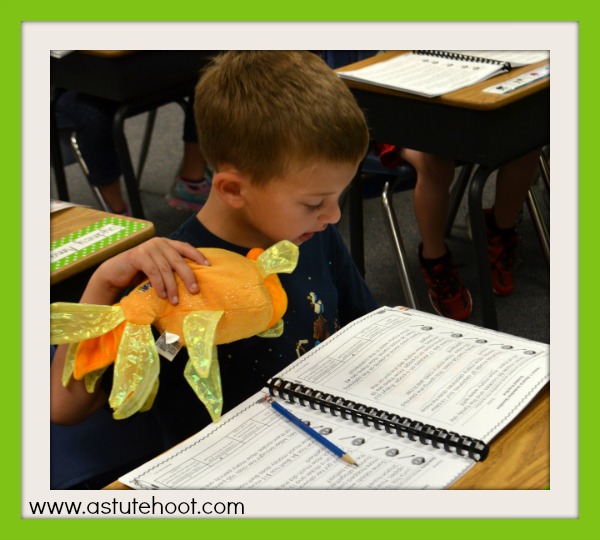
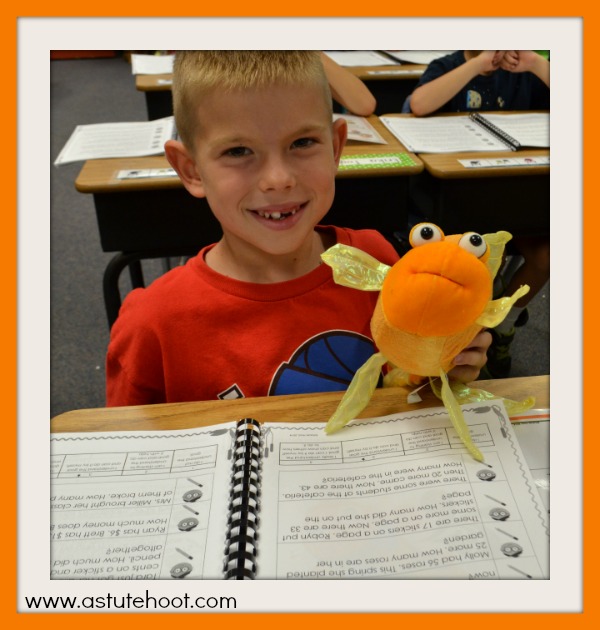
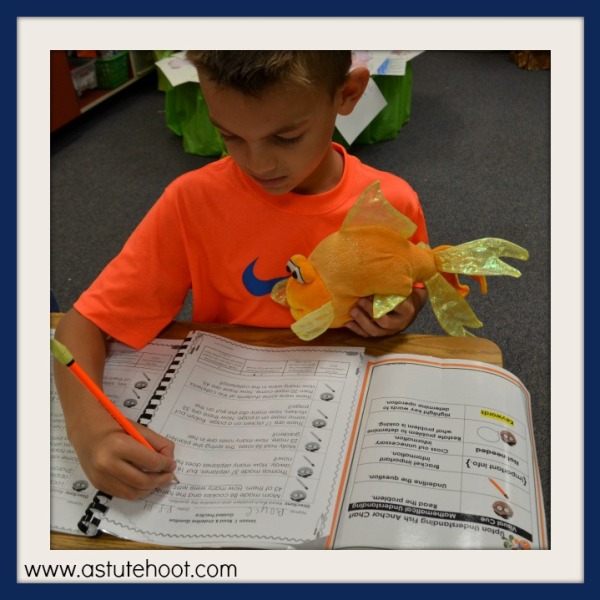
2. Incorporate multi-sensory activities: Allow students to act out the problem and use manipulatives to help students build understanding. In my classroom, students use Upton Understanding Fish to help them complete the problem-solving steps. I purchased a inexpensive, yellow Webkinz fish from Ebay to use as our classroom Upton.

Reading with Upton

During direct instruction, I model each of the problem-solving steps, thinking aloud as I go. I hold Upton right beside me and will often talk to him during my think-alouds. The students think it is funny, but it keeps them engaged. During guided practice, I toss Upton to different students, asking them to help me complete one of the problem-solving steps. Students also take turns using Upton to assist during independent problem-solving time.

Reading with Upton 2

The stuffed Upton fish has become a pivotal piece of my problem-solving instruction because it helps kids feel safe to take risks and discuss problem-solving steps. In fact, a few of my students have even asked their parents for their own Upton as a birthday or Christmas gift.

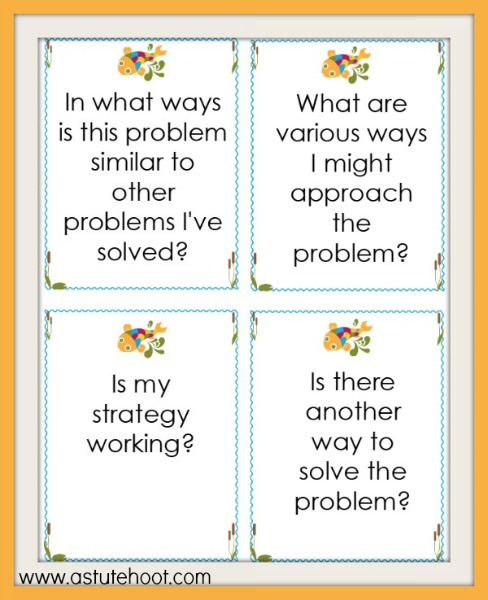
3. Use discussion questions and prompts:Students are more successful at solving math problems when they monitor and reflect upon their thinking and problem-solving steps as they work through problems. We often assume that students know how to thoroughly discuss their mathematical thinking and problem-solving steps, but like an other concept or skill, this must be taught in depth. Teachers must model the self-questioning process and provide multiple opportunities and support for students to practice it until they can use the questioning strategies independently.

I use Upton’s self-reflection questions and peer discussion prompts to facilitate mathematical discussion. I introduce one prompt or question at a time and add additional prompts in subsequent lessons.

MathProblemSolvingSelfReflectionandPeerDiscussionQuestions.pdf-6 (2)

During lunch (before our problem-solving time), I leave the new prompt or question right by Upton as if he is presenting it to the class. When I pick the kids up for lunch, I tell them that Upton left us something and they get so excited to read his new question or prompt.

4. Provide anchor charts: Post the problem-solving steps in a prominent place in classroom. I add a visual cue for each step to promote understanding. As you teach problem-solving, refer to these posted steps and encourage students to do so when solving independently as well.

Upton anchor chart

Download our Upton Understanding Fish problem-solving unit and accompanying self-reflection and peer discussion questions and prompts to help build mathematical understanding in your classroom.

Jessica_blog_signature-SMALL


Sign up for
blog updates

© 2020 – Astute Hoot. All rights reserved.