Guided Reading Survival Guide Part 1
Guided reading can be daunting, especially with the new instructional shifts and standards. Teachers are asking themselves such questions as: “What texts do I use?” “What strategies do I teach?” “How do I motivate and engage?” “How do I integrate multiple strategies?”
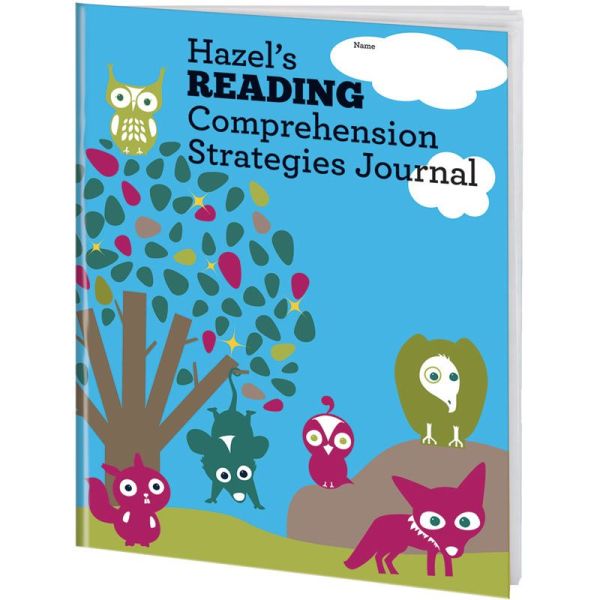
As educators with a combined total of almost 30 years spend in early childhood and special education, Jennifer and I have cultivated four instructional practices that incorporate our effective animal-based curriculum to maximize guided reading time. Read our four part blog series that outlines these practices and show how students enthusiastically embrace them.
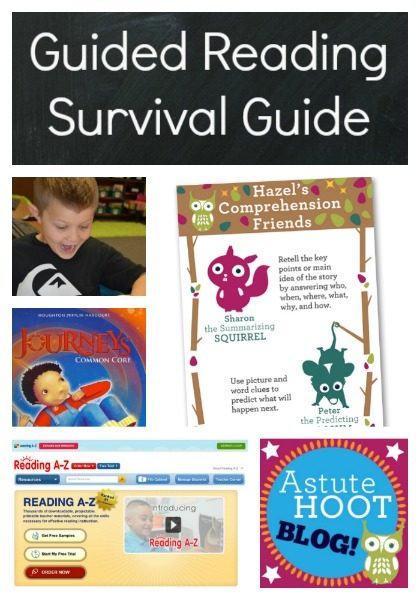
Guided Reading Survival Guide Part 1: Going Beyond the Basal
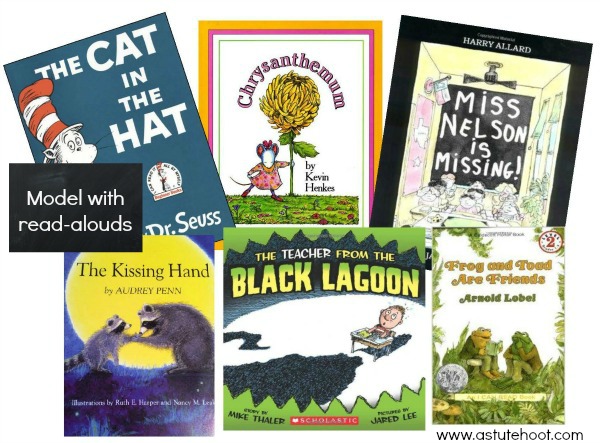
Most teachers are required to use district-prescribed curricula, which often includes a basal and a series of leveled readers, many of which are dry and designed to fit the weekly basal skills. The basal can be used as an anchor text, but it should not stand alone. Provide several authentic, high-quality supplemental texts ranging in complexity and genre to promote a deeper understanding of content.
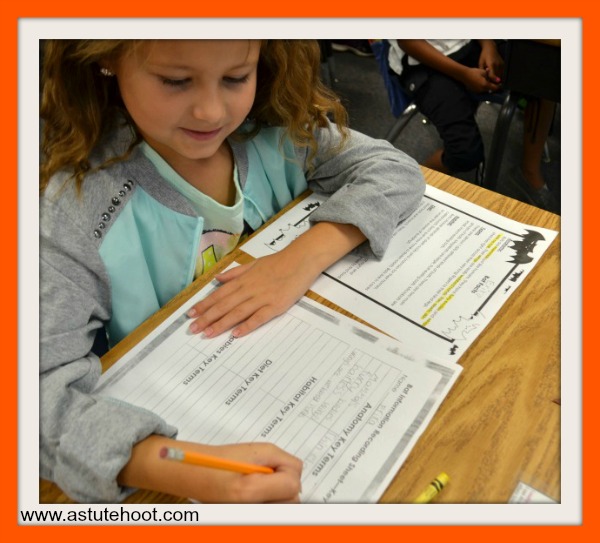
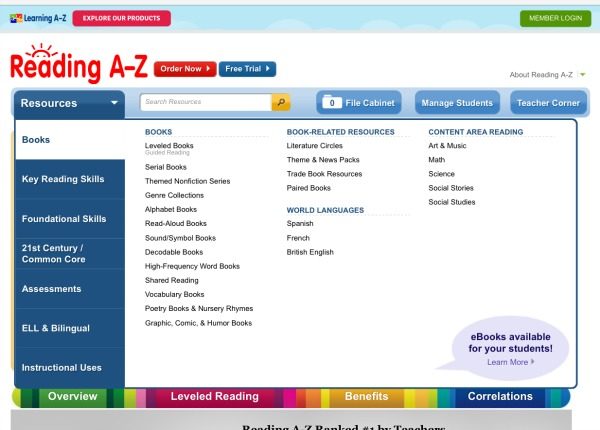
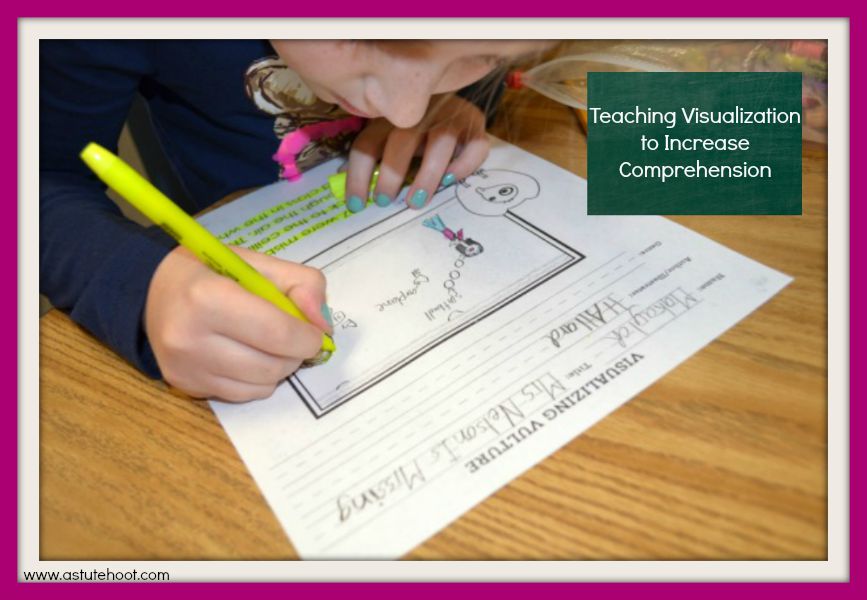
Reading A-Z is the ideal resource because its vast library of more than 2,500 downloadable books allows teachers to search by strategy, skill, or topic, making differentiation much easier. Several titles are part of a multi-level series, making quality content available to all readers. Plus, the printable books allow students to practice test-taking strategies, such as highlighting answers in the text, while using authentic text rather than mundane practice tests or contrived passages.
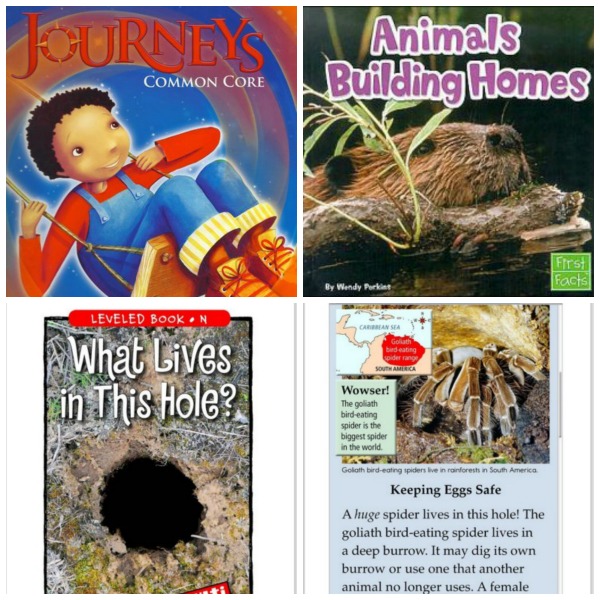
In my classroom: I select Reading A-Z books that complement the weekly basal story, complement the current science unit, or focus on a specific reading strategy that I am teaching. In a recent unit, I chose, “What Lives in This Hole?” because it aligned to our Journeys basal story, “Animals Building Homes.” This was a great supplement to deepen student understanding, apply learned strategies, and build academic vocabulary.
Tomorrow check out part 2 of our Guided Reading Survival Guide blog series to see how I incorporate various reading strategies across multiple texts.

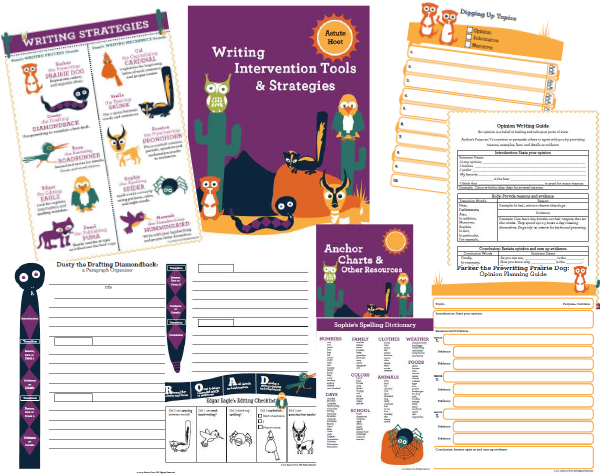
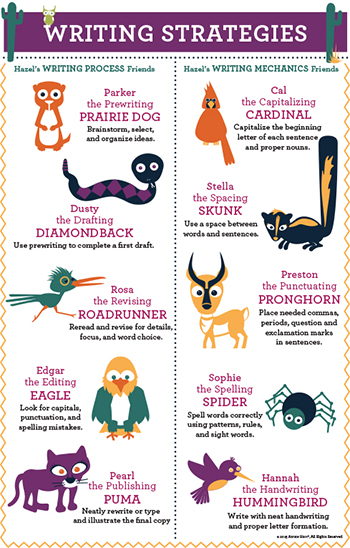
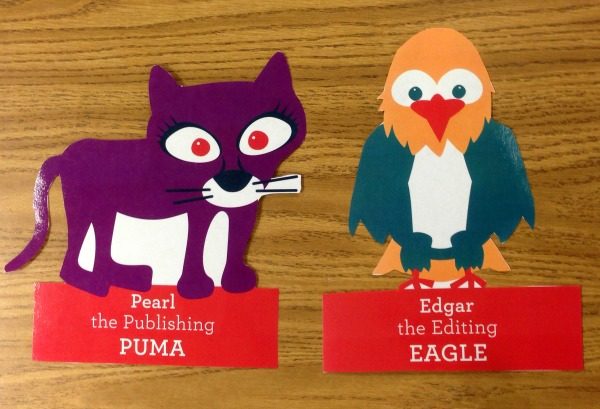
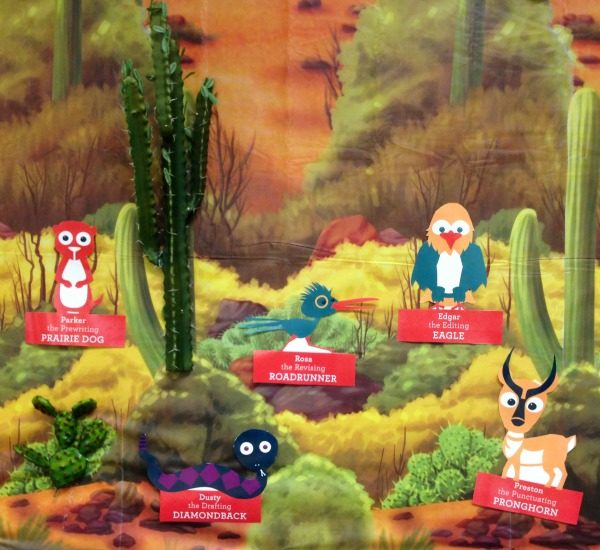

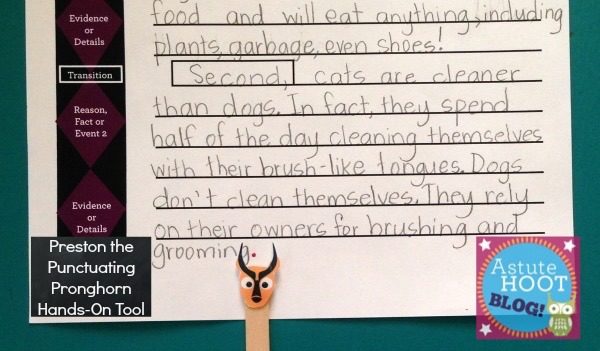
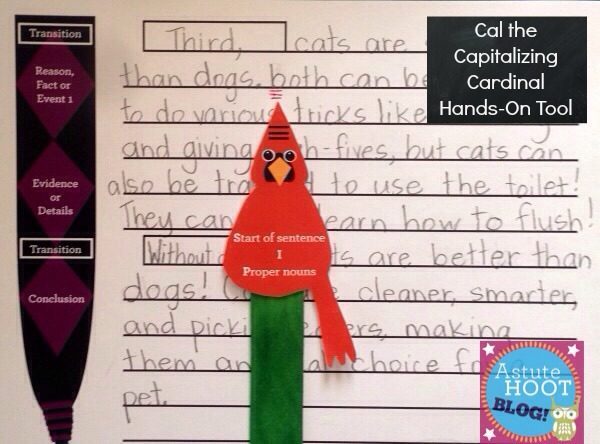
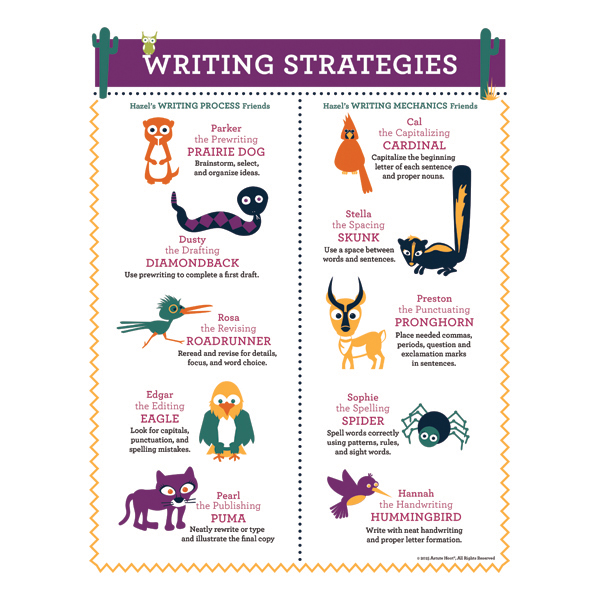
 As the other blogs in this series mentioned, I love to display our hands-on tools in cute, inexpensive jars with printable animal labels. Students have easy access to Stella’s Spacers, Cal’s Capitalizers, and Preston’s Punctuation Prongs, all which they enjoy using during writing time.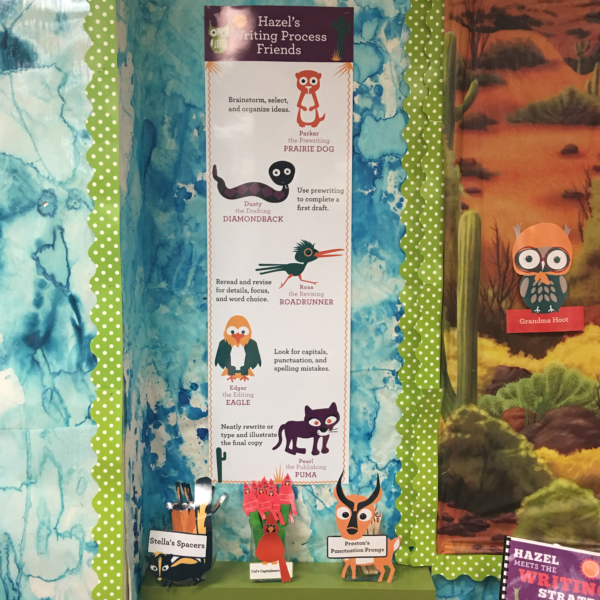
 Have a cute classroom décor idea? I’d love to hear it! Be sure to check back on Sunday to read our latest Back to School blog.
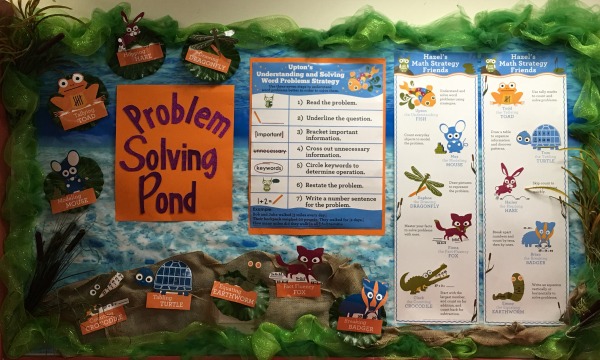
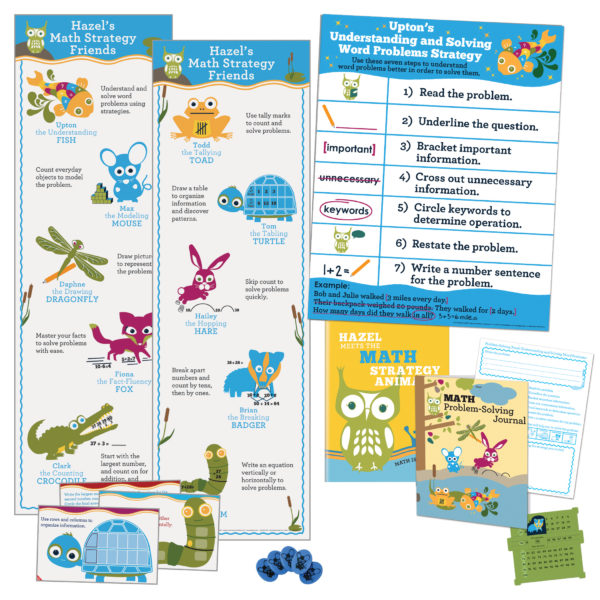
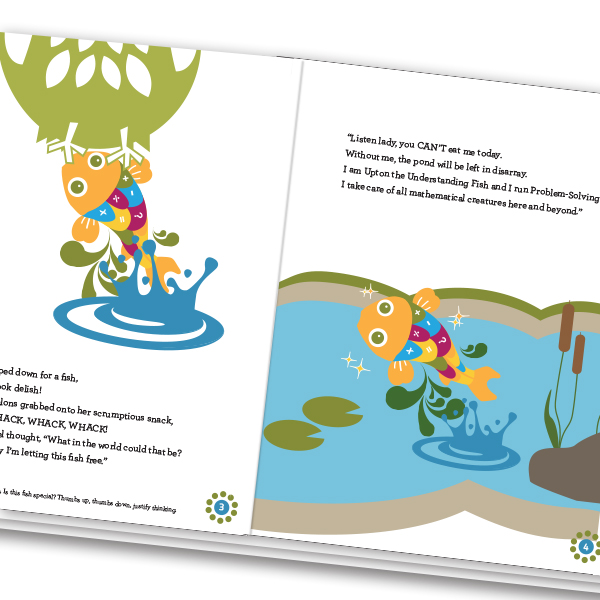
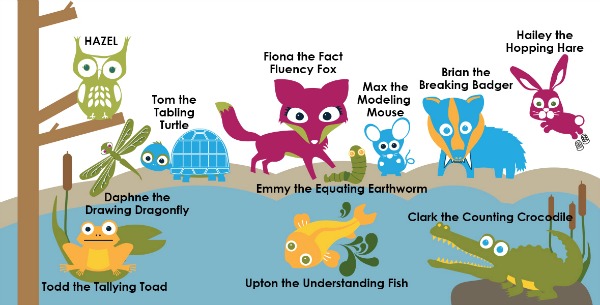
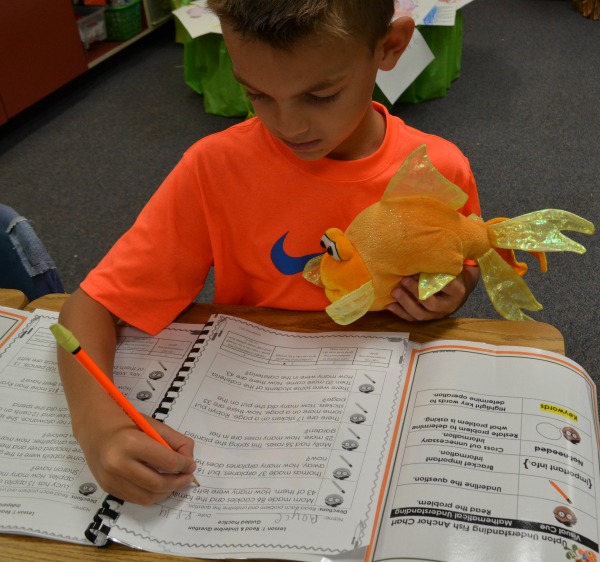
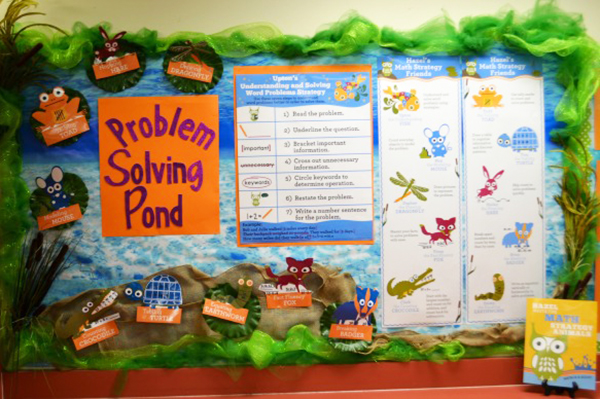
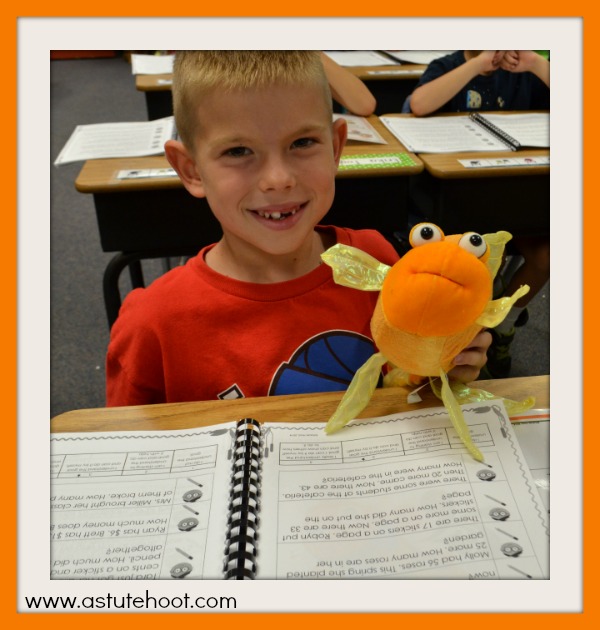
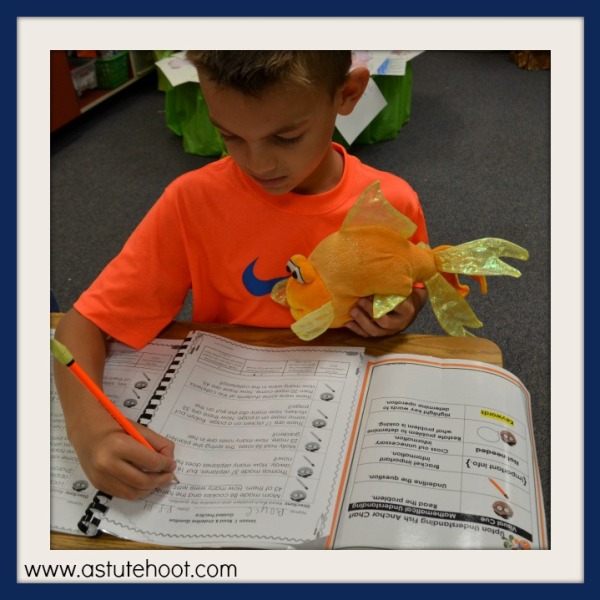
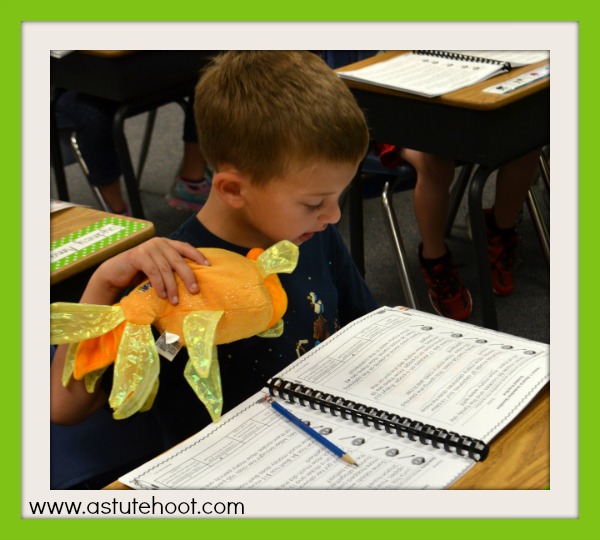
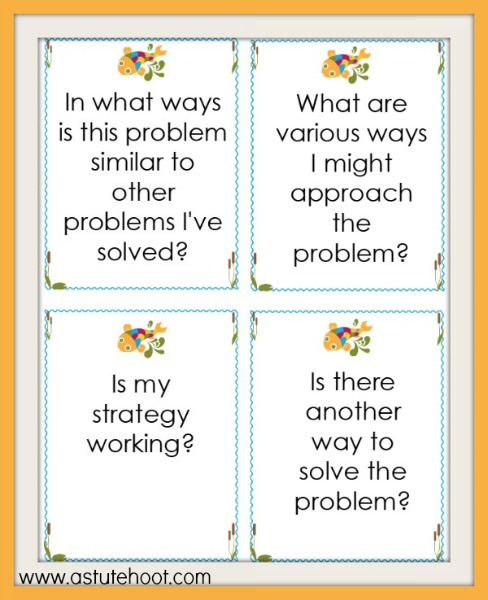
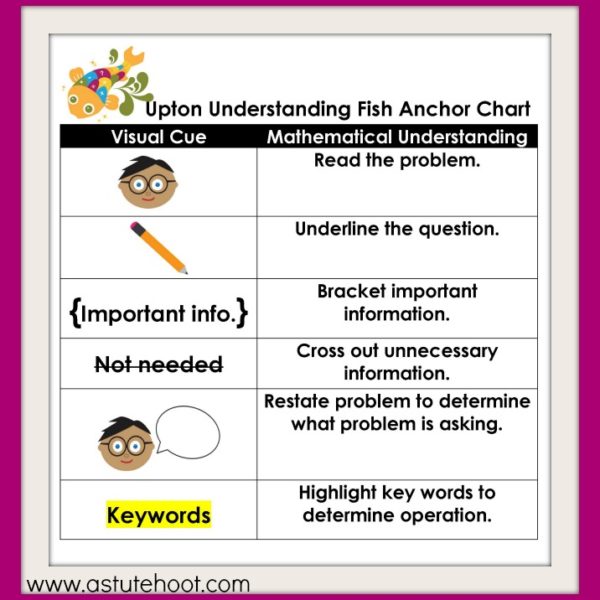
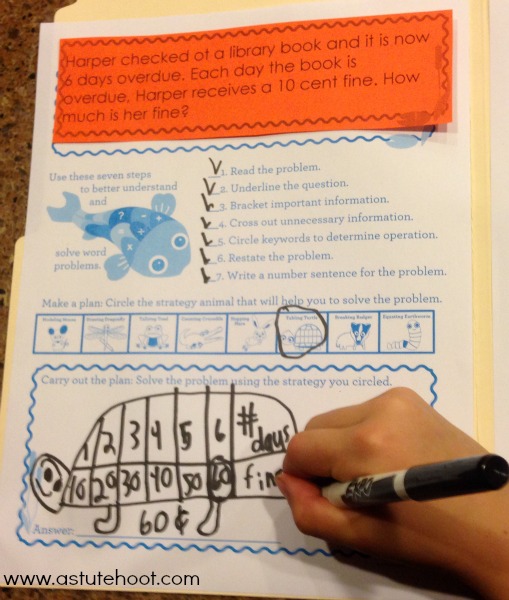
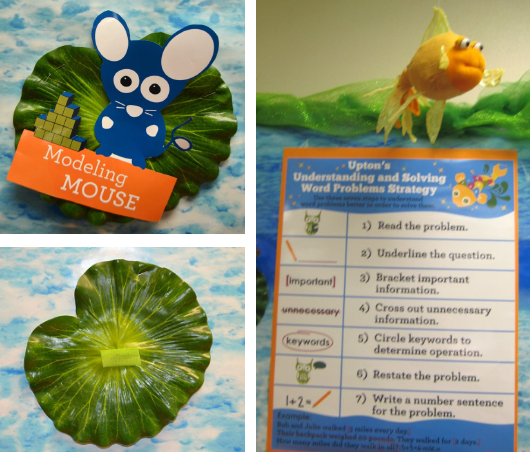 I found this stuffed animal on Ebay that looks just like Upton and hung it with fishing wire and a plastic hook. During guided practice, I toss Upton to students and he helps us complete the problem-solving steps. Students LOVE solving problems with him!
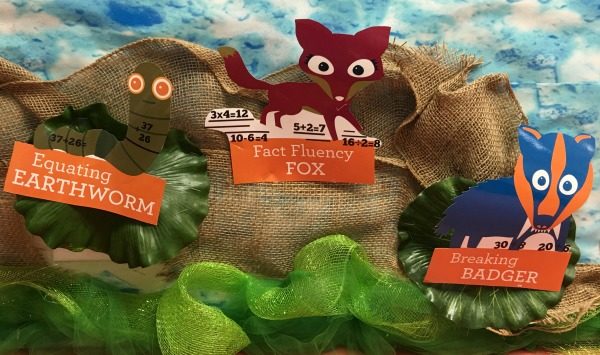
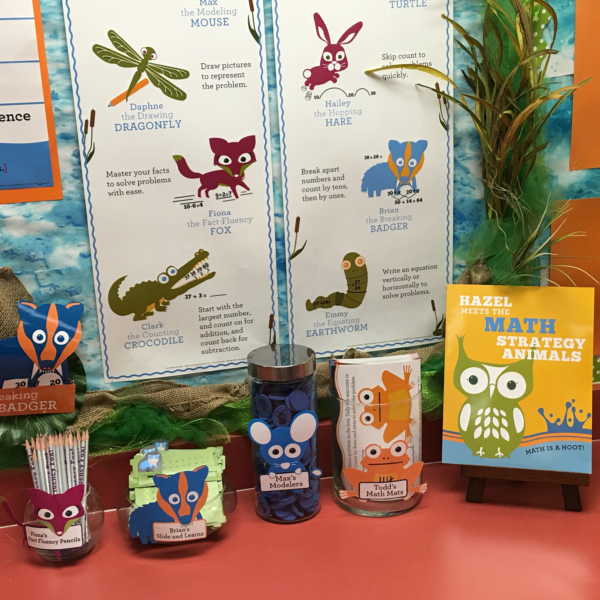
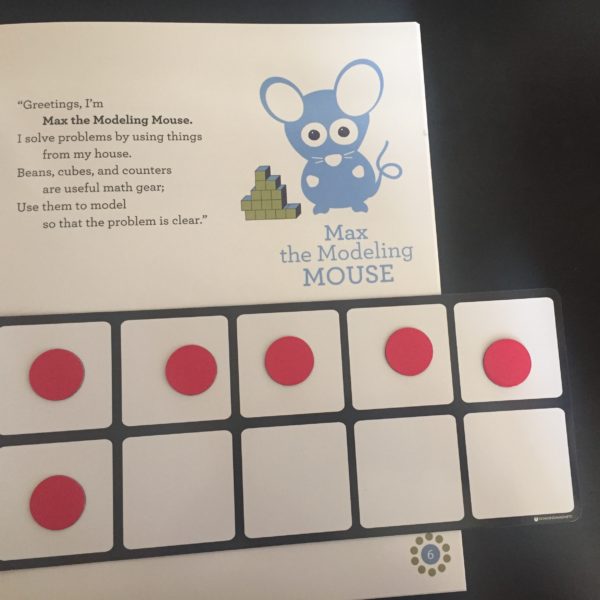
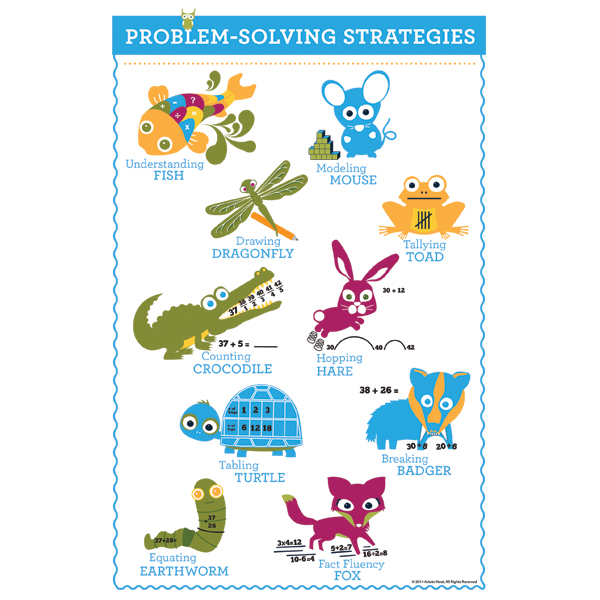
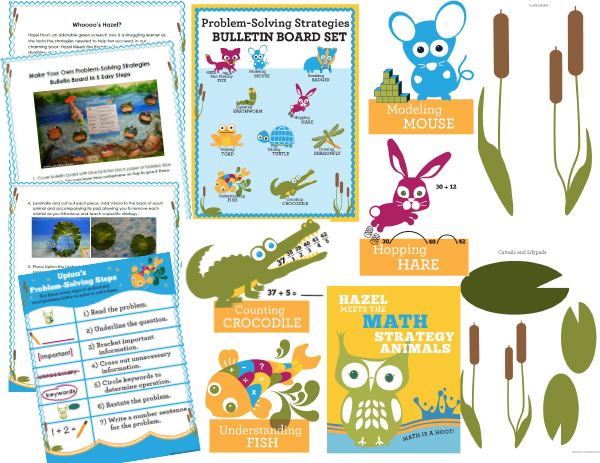
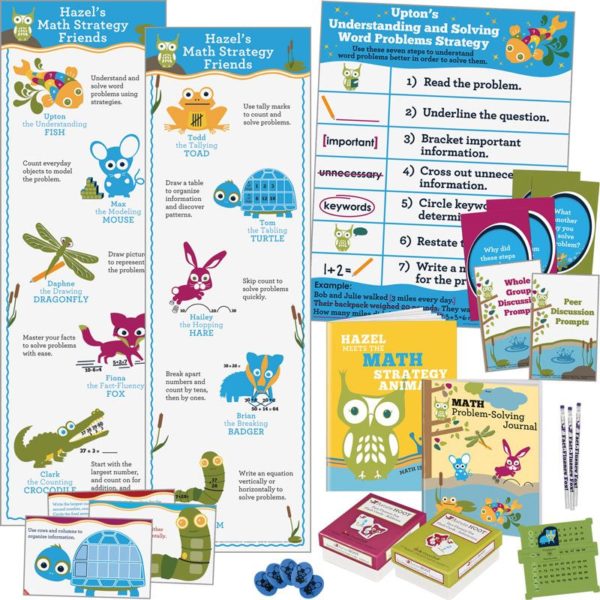
 I also found inexpensive jars at Hobby Lobby to hold our hands-on tools such as Max’s Counters, Brian’s Slide and Learns, and Fiona’s Fact-Fluency Pencils and added these adorable labels.
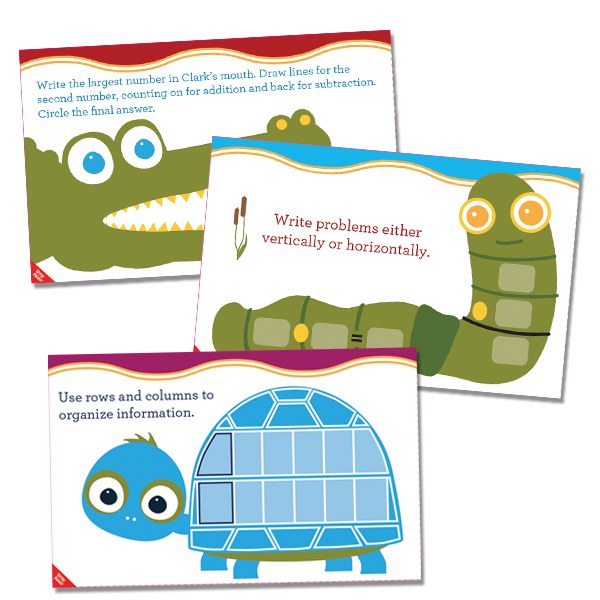
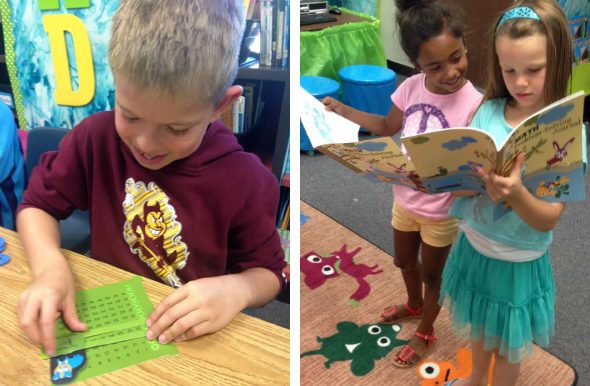
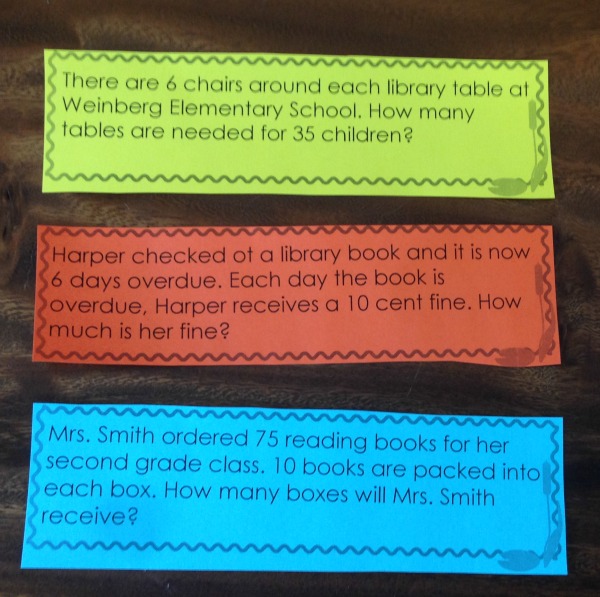
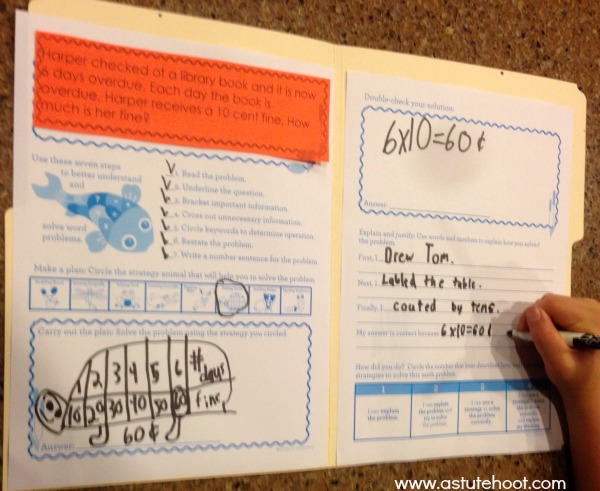
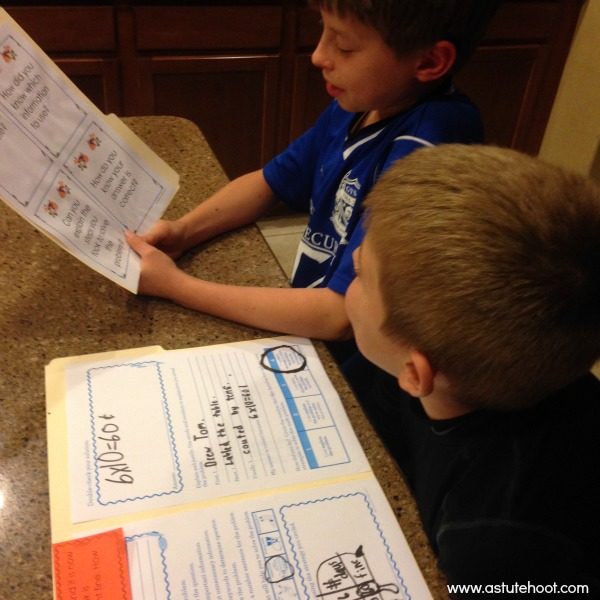
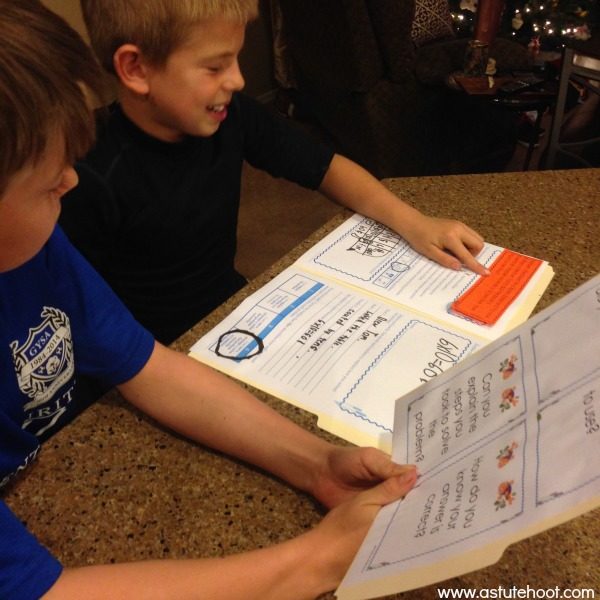
 During center time, students solve their Saxon story problems using the strategy animals and our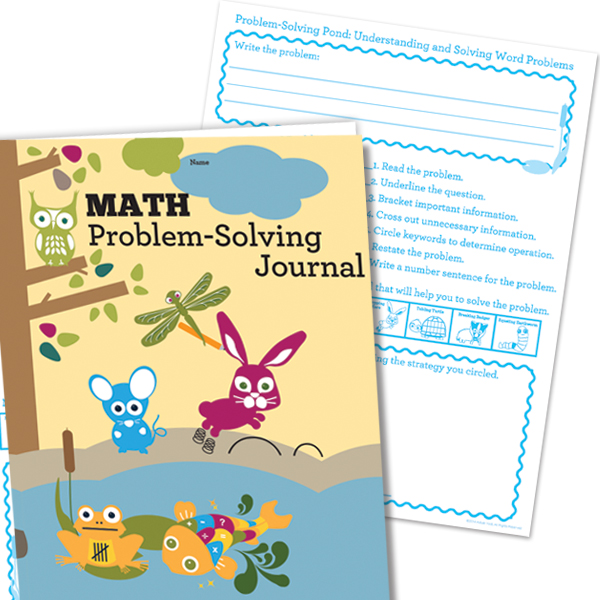
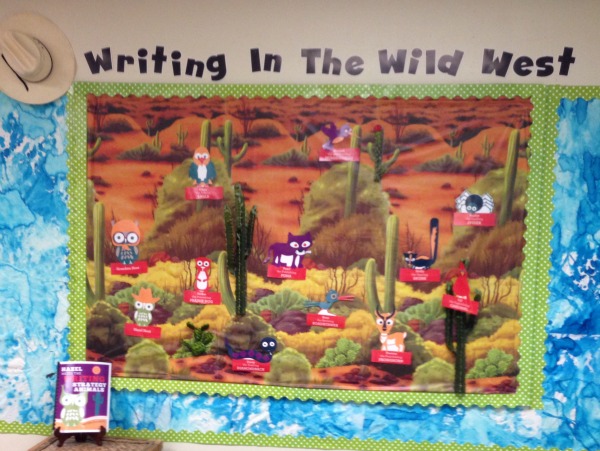
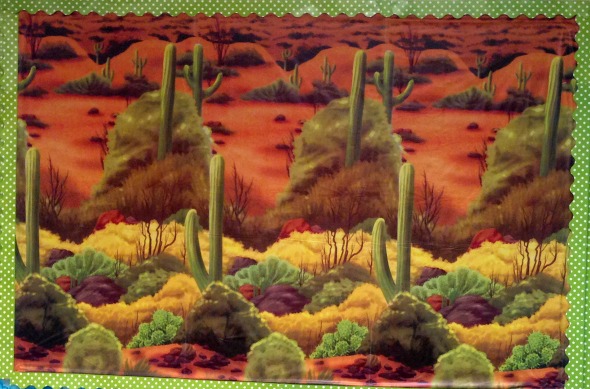
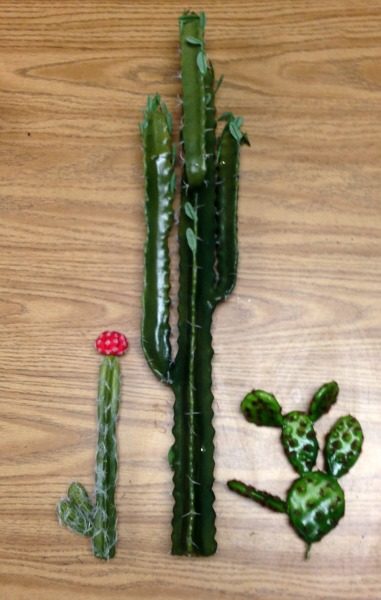
 Read tomorrow’s blog to see my Writing in the Wild West classroom space and accompanying hands-on tools.

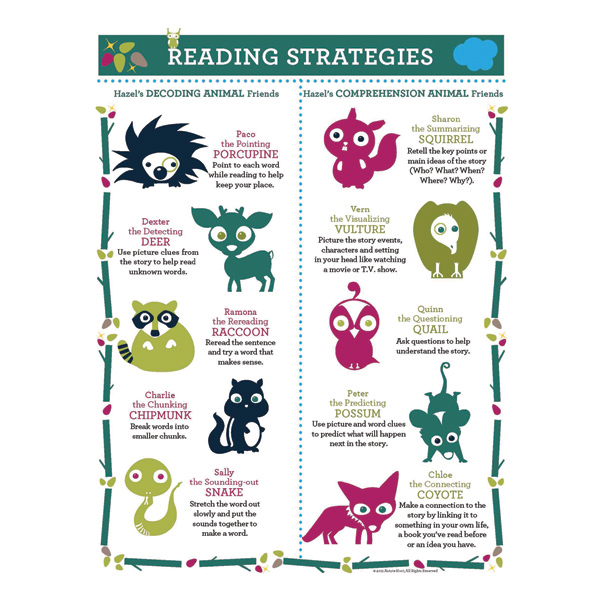


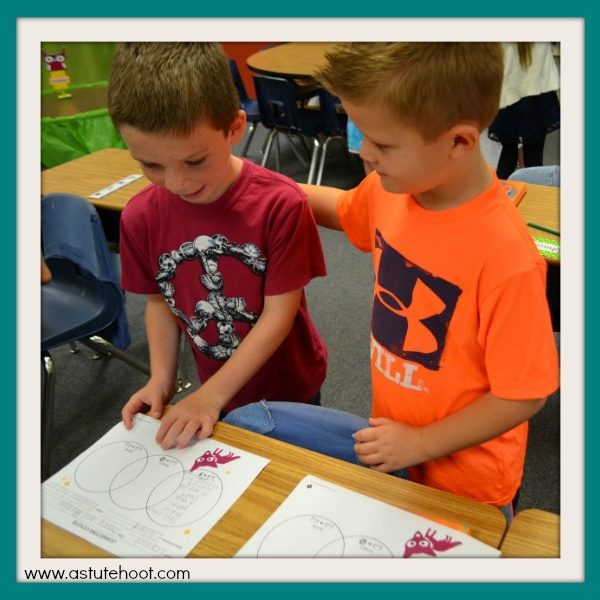
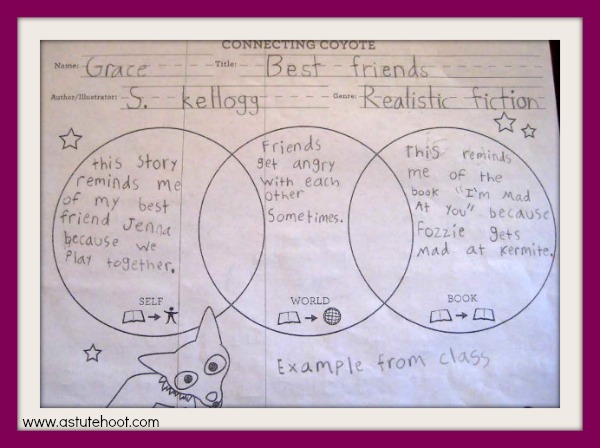
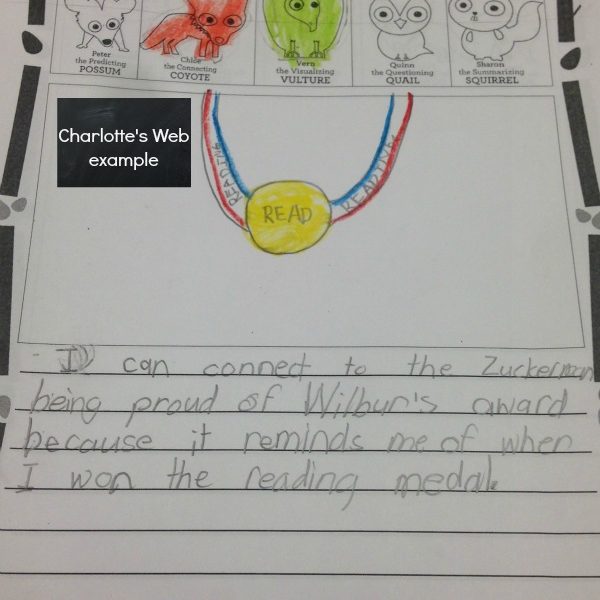
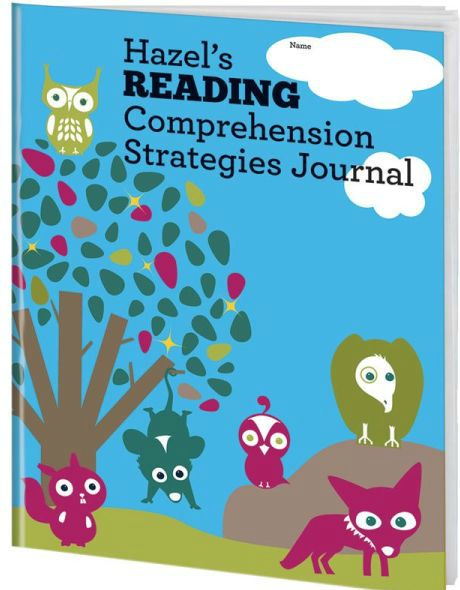
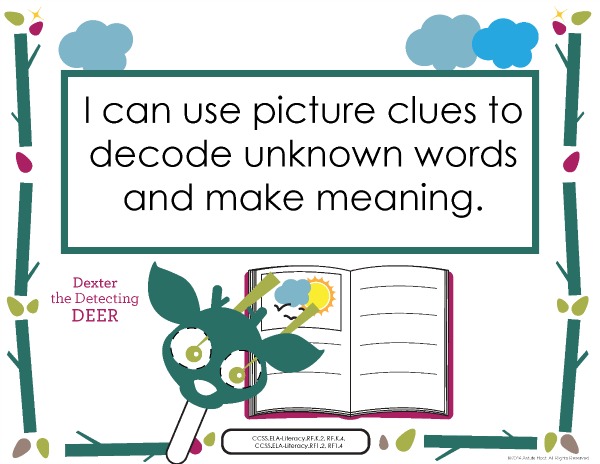
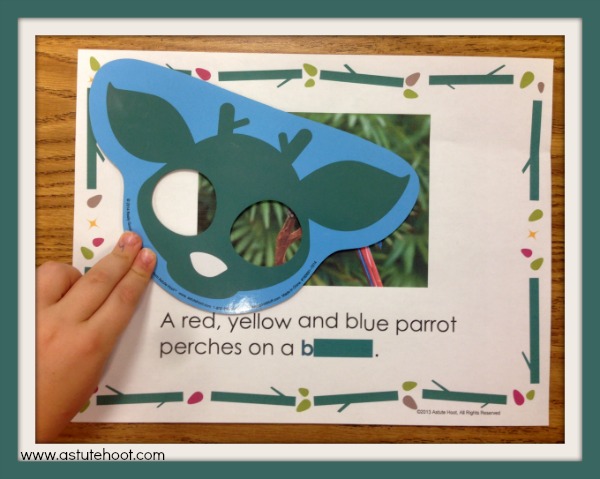
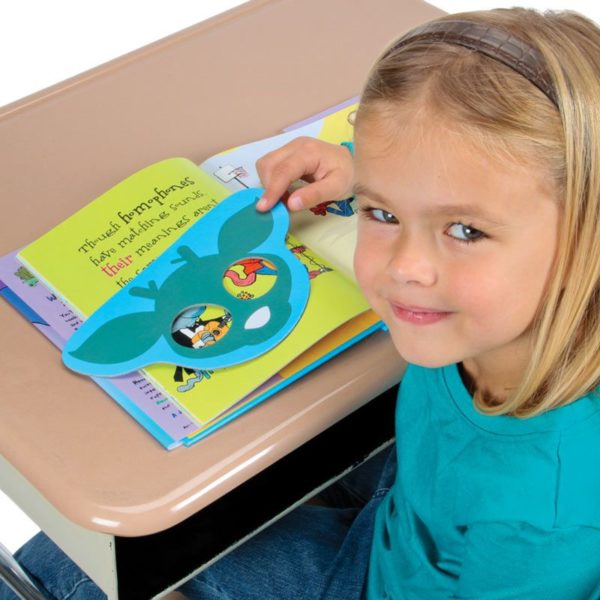
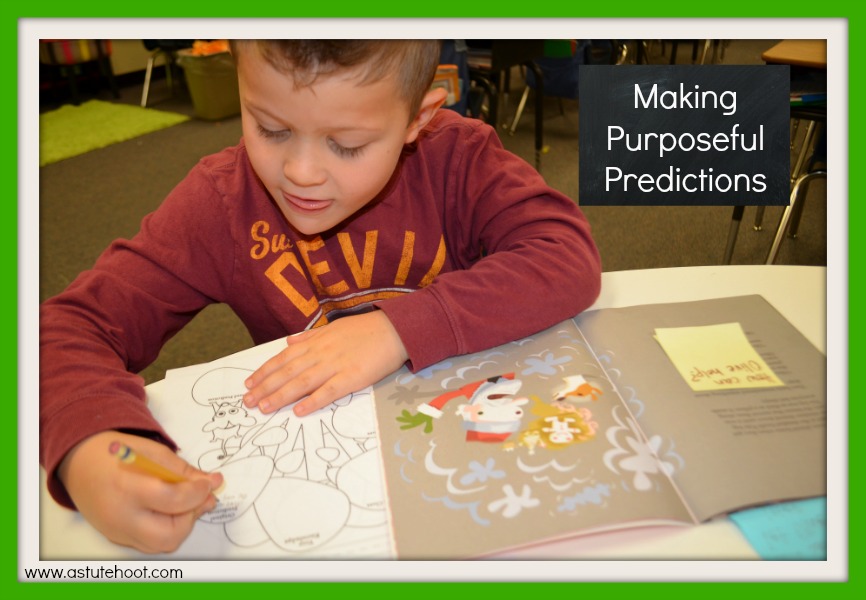


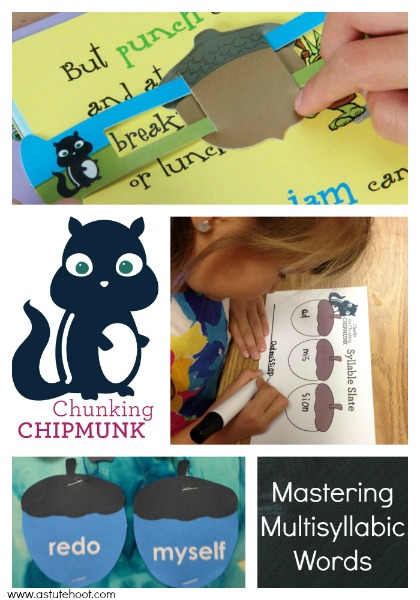
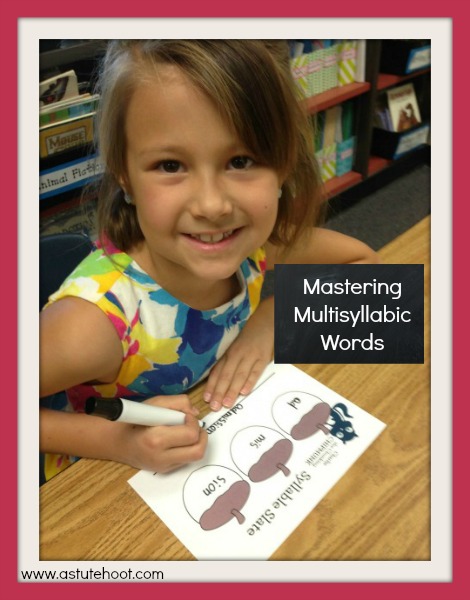
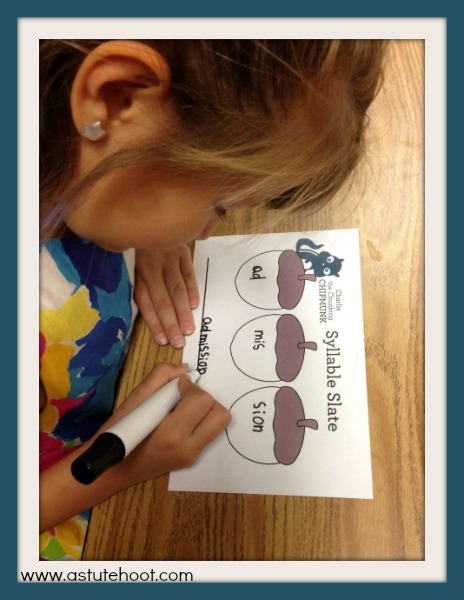
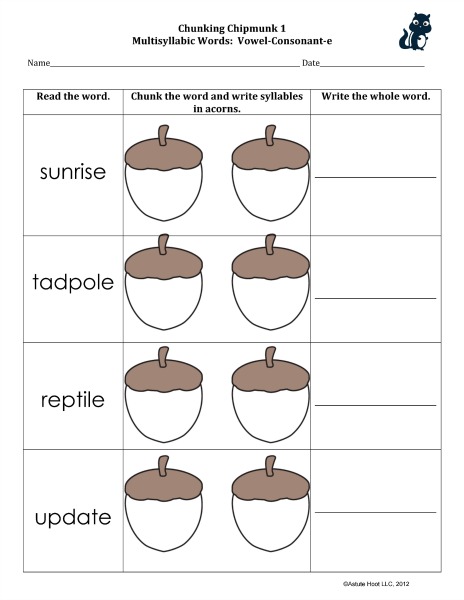
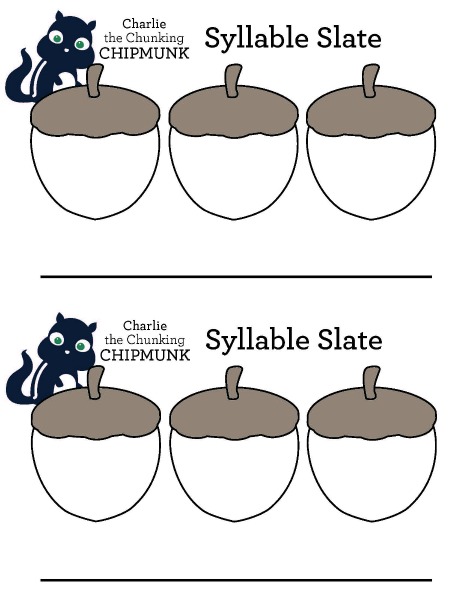
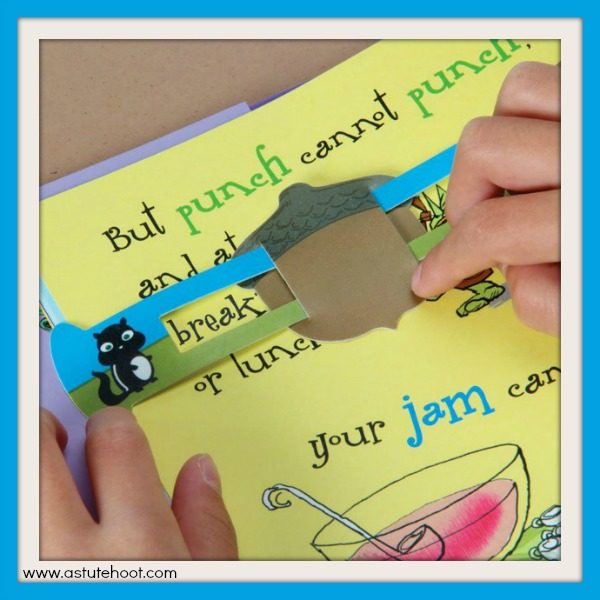
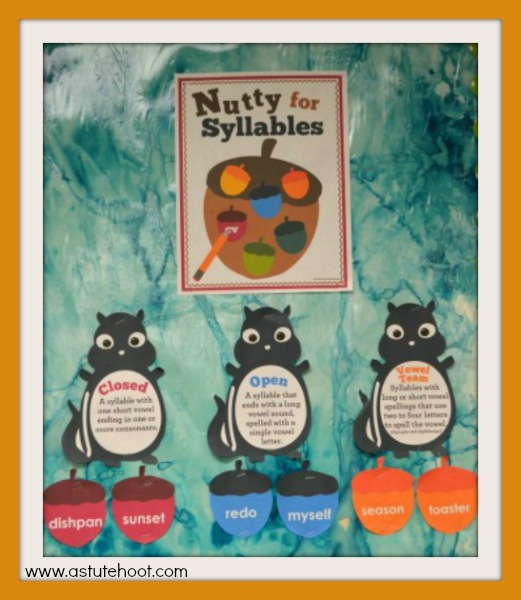
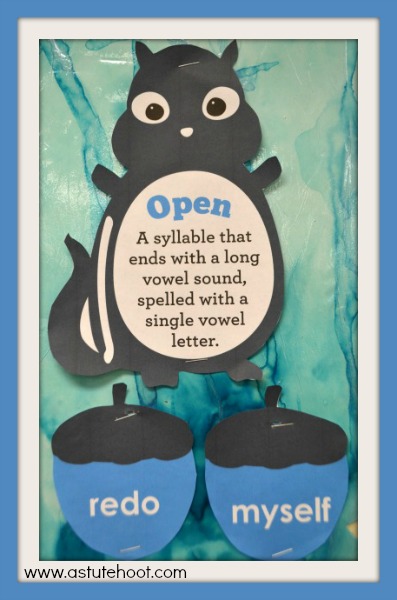
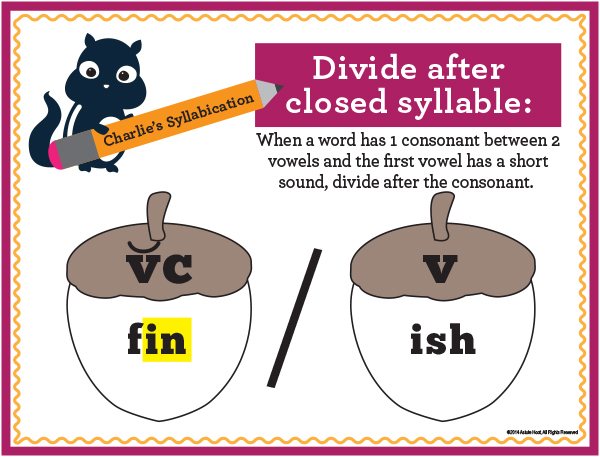
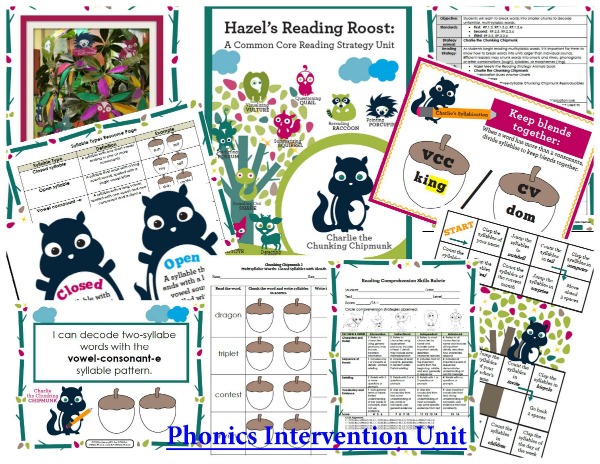
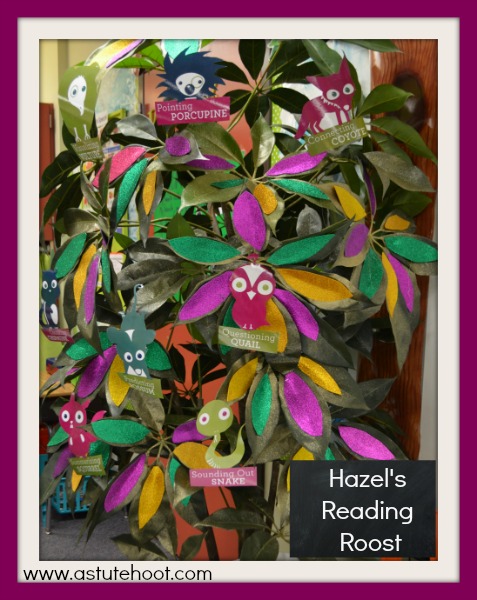
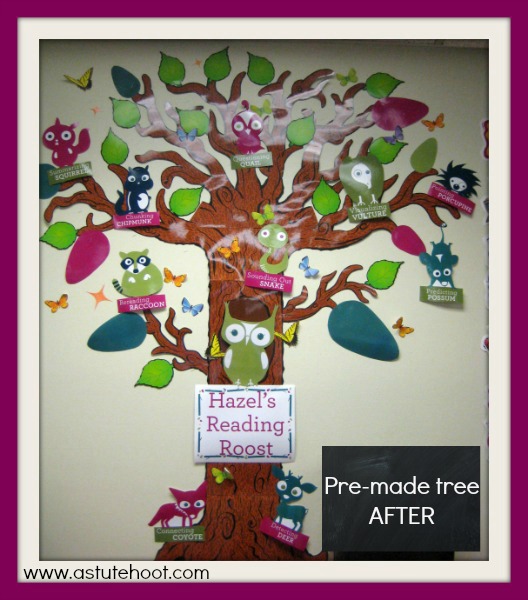
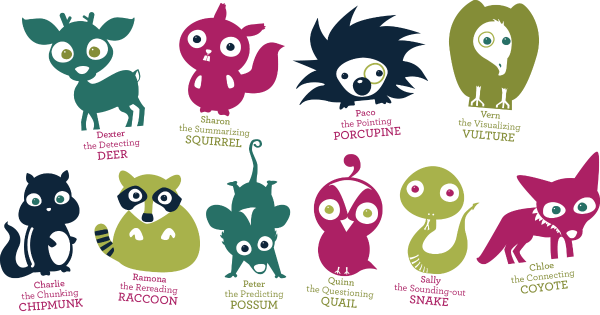
 Charlie the Chunking Chipmunk is one our decoding strategy animals in Hazel’s Reading Roost. Charlie motivates students to use strategies to decode multisyllabic words. Read more about Charlie’s strategy below…